
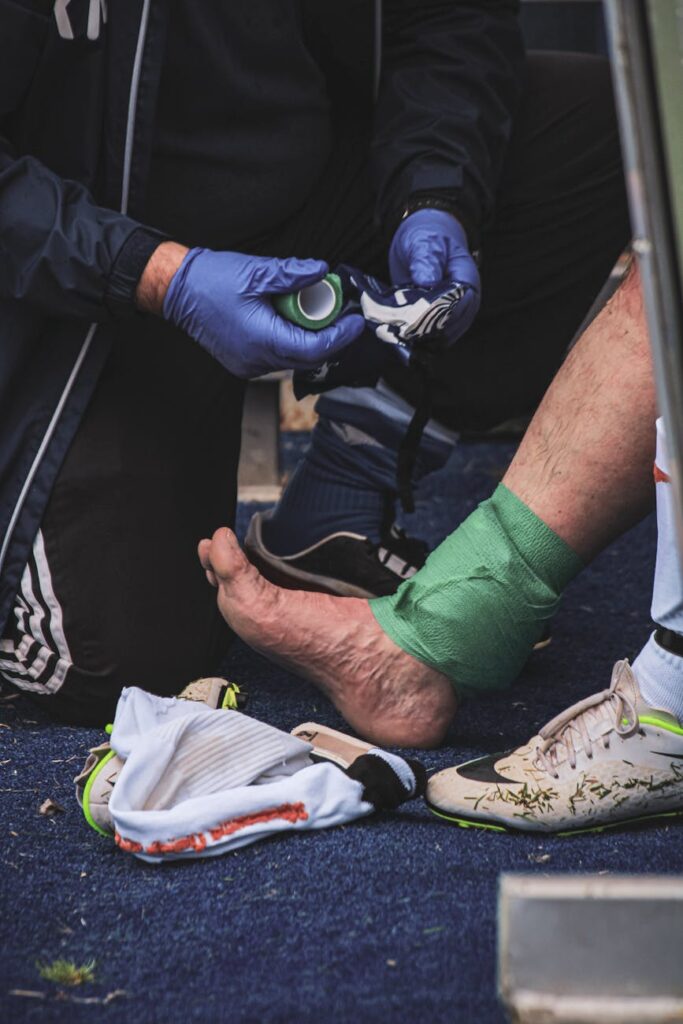
In the high-stakes environment of Major League Baseball, health is the most valuable currency for both athletes and their respective franchises. When star players face significant health setbacks, the ripple effects are felt throughout the entire league, impacting pennant races, fantasy baseball rosters, and championship aspirations. Understanding the nuances of injury reports and monitoring recovery progress is essential for fans who want to stay informed about their team’s competitive standing as the season unfolds.
Tracking these recovery timelines requires more than just headlines; it demands a deeper look at medical protocols, rehabilitation benchmarks, and the inherent risks of returning to peak performance. Whether dealing with soft-tissue strains, pitching arm fatigue, or complex surgical recovery, the journey back to the diamond is often fraught with uncertainty. This guide provides a comprehensive overview of how to interpret these injury status updates and what they truly signify for the trajectory of the current baseball campaign.
Sommaire
ToggleUnderstanding the mechanics of MLB injury reports
Navigating official injury reports can often feel like deciphering a complex medical document, but mastering these terms is crucial for any dedicated baseball observer. Teams generally categorize players on the injured list based on the expected recovery duration, ranging from the short-term 10-day stint to more serious, season-altering assignments. These designations are not merely administrative; they reflect the internal medical assessments and the cautious approach organizations take to protect their investments in star talent.
Beyond the simple IL status, savvy fans should pay close attention to nuances like “ramping up intensity,” “simulated games,” and “rehab assignments” within the minor leagues. A player might be cleared for activity, but the gap between individual practice and facing live major-league hitters is significant. Recognizing these stages of recovery helps mitigate false expectations and provides a realistic timeline for when a key contributor will actually impact the win-loss column.
Key phases of the recovery timeline
The rehabilitation process typically follows a structured progression designed to prevent setbacks and ensure long-term health. Initially, the focus is on inflammation management and range-of-motion restoration, followed by a gradual return to sport-specific activities such as throwing programs or batting practice. Each phase serves as a gatekeeper, where players must meet specific physical metrics before moving forward, ensuring they do not risk re-injury.
For further information, see Latest updates on MLB player trades and contract signings
Analyzing the impact of pitching arm injuries
Pitchers remain the most vulnerable athletes in baseball, given the unnatural stress placed on the ulnar collateral ligament and shoulder musculature during every delivery. When a frontline starter or an elite closer is sidelined due to elbow or shoulder issues, the defensive integrity of the entire team is immediately compromised. Recovery from these injuries is rarely linear, as pitchers must rebuild their mechanics and velocity gradually to avoid a secondary injury that could jeopardize their entire career.
Monitoring the “load management” strategies implemented by coaching staffs is vital during this period of high sensitivity. Modern franchises increasingly utilize pitch-tracking technology and workload monitors to ensure that recovering pitchers do not exceed predetermined output thresholds too early. This data-driven approach often leads to longer recovery windows, which can be frustrating for fans, but it is necessary to prolong the careers of the sport’s most talented arms.
Comparative analysis of common recovery protocols
| Injury Type | Typical IL Stint | Risk Factor | Focus Area |
|---|---|---|---|
| Oblique Strain | 15–30 Days | Moderate | Rotational Core Strength |
| Tommy John Surgery | 12–16 Months | High | Ligament Graft Integrity |
| Hamstring Tightness | 10–21 Days | Low/Medium | Explosive Movement Capacity |
| Shoulder Inflammation | 15–60 Days | High | Scapular Stabilization |
Managing expectations for position players
While pitching injuries dominate the conversation, position players face their own set of challenges, particularly regarding lower-body soft-tissue issues. Hamstring strains, calf tightness, and foot fractures can severely limit a player’s ability to drive the ball or defend effectively in the field. Unlike pitchers, who can sometimes be managed through pitch counts, position players must demonstrate full athletic capacity—including sprinting and lateral agility—before they are deemed game-ready.
It is important to remember that a player’s return to the lineup does not always guarantee an immediate return to their pre-injury production levels. There is often a “rust” phase where timing at the plate or defensive instincts are slightly off, requiring a period of adjustment against elite competition. By tracking the success rate of players returning from these specific ailments, analysts can often predict which stars will bounce back quickly and which might require a longer ramp-up period to regain their form.
The role of data and technology in modern rehab
The integration of advanced biomechanical data has revolutionized how professional baseball organizations handle injury recovery progress. Teams now utilize wearable sensors, high-speed motion capture, and force-plate analysis to compare a recovering player’s movement patterns against their baseline healthy data. This objective evidence allows medical staff to make informed decisions that go beyond a player simply saying they “feel ready” to compete.
Furthermore, the data transparency movement has empowered fans to access more granular information regarding player health than ever before. Many platforms now track “expected return dates” based on aggregate historical data from similar injury profiles across the league. This shift toward evidence-based recovery timelines has replaced much of the guesswork previously associated with injury news, allowing for more accurate predictions regarding team performance and playoff viability throughout the grueling 162-game schedule.
Staying updated on injury reports is a critical component of understanding the competitive landscape of Major League Baseball. By focusing on the progression stages and technological benchmarks rather than just the return date, you gain a clearer picture of when a team is truly at full strength. Consistent evaluation of these factors ensures that you are never caught off guard by sudden roster shifts.
If you found this breakdown helpful, be sure to bookmark our news section for daily updates on player availability and in-depth analysis of league-wide recovery trends. Stay informed, stay ahead of the curve, and continue following our coverage as we track the health status of the game’s brightest stars throughout the remainder of the season.